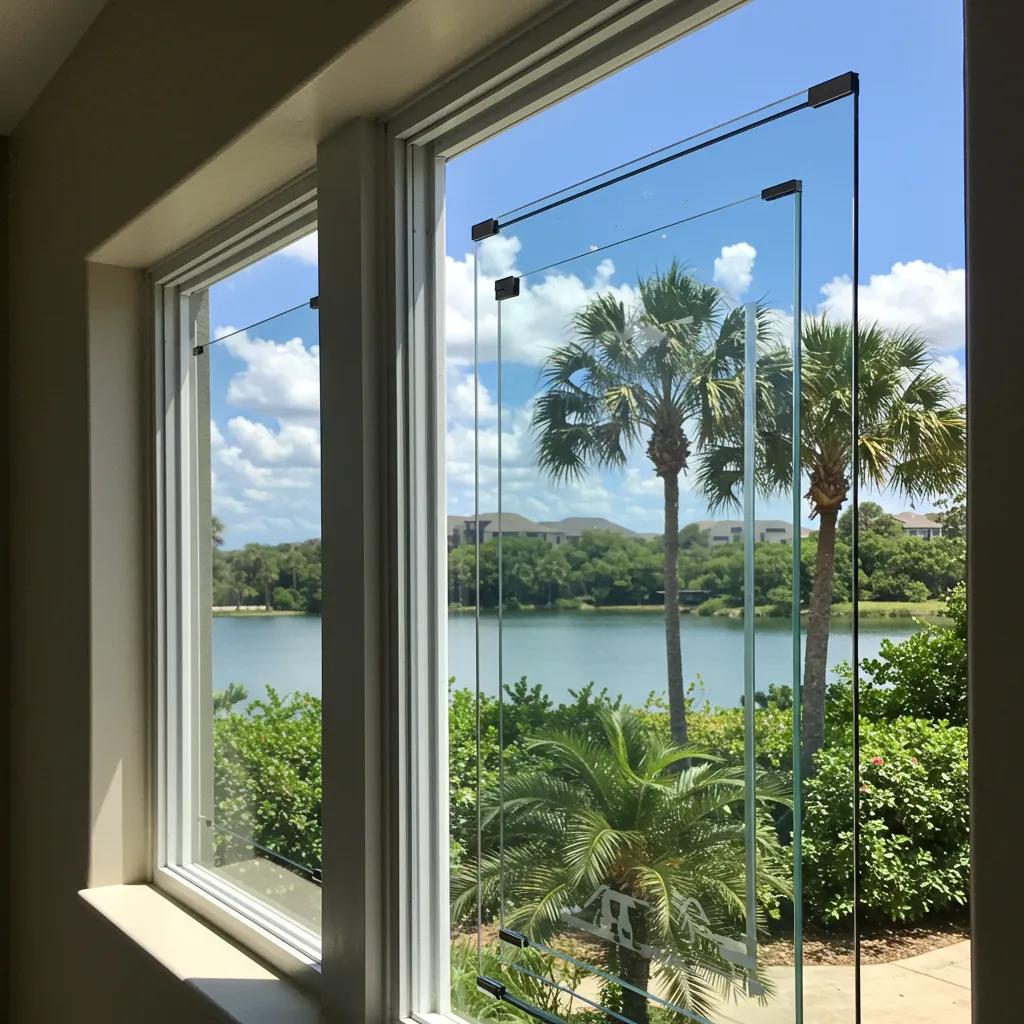
Mastering Your Budget: The Build Rite Guide to Custom Window & Door Installation Costs
Custom windows and doors are truly bespoke openings, meticulously crafted and sized to perfectly complement your unique home. Unlike standard units, they demand specialized fabrication, expert installation, and often feature advanced glazing and hardware for superior performance. Choosing custom options directly impacts your installation budget through material selection, the intricacies of labor, and ensuring compliance with local codes. Yet, these choices deliver significant long-term advantages: remarkable energy savings, enhanced comfort, and undeniable curb appeal. This comprehensive guide from Build Rite Builders will demystify why custom window and door projects carry a higher initial investment, break down those costs into materials, labor, permits, and potential hidden work, and reveal when the long-term value truly outweighs the upfront premium. Homeowners will discover practical budgeting strategies, flexible financing options, and essential project-planning steps specifically tailored for Southwest Florida’s unique climate — including crucial hurricane and impact-resistance factors, plus county permitting nuances. We’ll map out key cost drivers, compare custom versus standard choices, detail installation processes and timelines, quantify energy-efficiency benefits, explore current trends and resilience strategies, and conclude with expert financing and quoting advice to help you confidently move from initial planning to a reliable estimate.
Build Rite Builders’ Budget Guide to Custom Window & Door Costs

The investment in custom window and door installation is primarily shaped by five critical factors: your choice of materials and glass specifications, the complexity of labor and installation, the unit’s size, shape, and design intricacies, necessary permits and code compliance, and your selected finishes and hardware. Each element influences the final price by affecting fabrication time, specific shipping or handling requirements, onsite labor hours, and the potential for uncovering unforeseen work. For instance, high-performance glazing or uniquely shaped units demand additional engineering and specialized seals, which increase costs but deliver tangible, measurable benefits. Understanding these core cost drivers empowers homeowners to make informed decisions that expertly balance initial spending with lasting durability, superior energy performance, and enhanced resale value. The following sections will meticulously break down these elements, offering material comparisons, insights into labor expectations, the impact of size and complexity, and common hidden costs that frequently arise during installations.
How Your Material Choices Influence Custom Window & Door Pricing
Your selection of materials accounts for a significant portion of the upfront cost, as frames, glass, and coatings each possess distinct manufacturing and performance characteristics. Wood frames typically command a premium for their exquisite craftsmanship and versatile finishability, though they do require consistent maintenance. Fiberglass and aluminum offer exceptional durability and minimal upkeep, with varying thermal performance. Vinyl often presents the most budget-friendly option but can be limited for larger formats or high-end finishes. When it comes to glazing, Low-E coatings, argon gas fills, and laminated or impact-resistant glass add incremental cost but dramatically boost energy efficiency and safety—making them particularly vital for Florida’s climate. When choosing materials, you’ll weigh the initial price against long-term lifecycle maintenance and potential energy savings. Often, pairing a moderately priced frame with high-performance glazing can deliver the optimal balance of value and performance.
What to Expect for Labor Costs in Custom Installations
Labor for custom installations encompasses the careful removal of existing units, any necessary structural adjustments, precise flashing, insulation, finish carpentry, and expert hardware installation. Labor costs naturally increase when openings are non-standard or require additional reinforcement. Local labor rates, the availability of skilled subcontractors, and the need for specialty trades like glazing or stucco repair can introduce budget variability. While retrofit work tends to be quicker than full-frame replacement, it can sometimes reveal concealed damage that adds to the project timeline. Typical custom installations require more time per unit than stock replacements because each unit demands meticulous fitting and sealing to exact tolerances. Expect labor to represent 25–45% of your custom project’s total cost, depending on its complexity. Proactive pre-inspections can significantly reduce risk by identifying potential labor-intensive tasks before bidding, helping to secure more predictable labor costs.
How Size, Shape, and Design Complexity Impact Your Installation Budget
The size and shape of your custom windows and doors directly influence fabrication complexity, shipping logistics, and onsite handling. Oversized glazing or elegant arched windows often necessitate custom mullions, engineered supports, and additional sealants, which increase both material usage and labor time. Unique designs, such as sophisticated tilt-turns, expansive sliding glass walls, or custom bay assemblies, add to fabrication lead times and incur premium pricing for non-standard hardware and reinforcement, potentially raising costs by 20–50% compared to standard units. Design complexity also introduces scheduling risks—longer lead times might push projects into peak demand periods. Early coordination with fabricators can mitigate these schedule-driven premiums. Evaluating whether an aesthetic benefit truly justifies structural upgrades is a crucial budgeting decision that directly links your design aspirations to measurable cost multipliers.
Anticipating Hidden Costs During Installation: What to Look For
Hidden costs frequently emerge as rotten framing, mold remediation, electrical relocation, unexpected structural reinforcement, permit-driven upgrades, and disposal fees. These issues often surface once old units are removed and can add thousands to a project if not properly anticipated. A thorough pre-bid inspection, including a moisture scan, can often identify likely concealed problems, allowing for allowance lines in estimates that significantly reduce mid-job change orders. Permit fees and code-triggered improvements—such as upgraded flashing, stronger anchorage for high wind loads, or impact-rated glazing—can transform a seemingly cosmetic replacement into a comprehensive code compliance project requiring additional inspections. Incorporating a contingency of 5–15% into your initial budget helps homeowners absorb these surprises while keeping the project moving forward smoothly.
- Common hidden costs include repairing rotten framing, mold remediation, additional flashing, and unexpected electrical or trim work.
- Proactive contingency planning minimizes mid-project budget shocks by reserving funds for likely discoveries.
- Comprehensive pre-inspection checklists empower contractors to provide more accurate bids and help homeowners compare proposals fairly.
These proactive steps for mitigating hidden costs enhance the reliability of your estimate and seamlessly lead us into the next section, where we compare the upfront and lifetime value of custom versus standard options.
Before diving into detailed comparisons, here’s a concise material comparison table to help you visualize typical cost, durability, energy performance, and maintenance expectations.
This table clearly illustrates how material selection impacts both your initial investment and long-term expectations, setting the stage for a direct comparison between custom and standard approaches in the following section.
Custom vs. Standard: A Deep Dive into Window & Door Costs and Value
Custom windows and doors typically represent a 25–75% higher investment than standard, off-the-shelf units. This premium stems from the specialized custom fabrication, unique hardware requirements, and the intricate, expert installation that demands additional labor and extended lead times. The core of the value proposition lies in the fact that custom units deliver superior energy performance, a perfect fit (significantly reducing air leakage), exquisite finishes, and elevated curb appeal. These advantages translate into tangible benefits such as substantial energy savings and a higher perceived home value. For homeowners weighing their options, custom solutions make perfect sense when existing openings are non-standard, the aesthetic impact is paramount, or when long-term savings and increased resale value clearly justify the initial premium. The following subsections will quantify these upfront differences, explore energy and maintenance impacts, and outline various resale value scenarios.
Understanding the Upfront Cost Differences: Custom vs. Standard
Custom units require dedicated fabrication time, precise measurements, and often one-off hardware, which drives their per-unit prices above those of mass-produced stock options. Typical per-unit ranges vividly illustrate this difference. For example, a standard double-hung vinyl window might cost $300–$600 installed, whereas a custom wood or fiberglass double-hung with Low-E glass can range from $900–$2,200 installed. Lead times and specialized tooling also add surcharges. However, bulk ordering or standardizing custom sizes can sometimes reduce these per-unit premiums. Grasping these numeric differences helps homeowners confidently decide when a custom specification is truly economically justified for their project.
How Energy Efficiency & Maintenance Drive Long-Term Savings
Energy-efficient custom windows and doors significantly reduce your HVAC load by improving insulation, minimizing solar gain, and limiting air infiltration. These mechanisms result in annual savings that vary based on the specific product. Recent analyses suggest typical annual energy savings from high-performance upgrades range from $125–$465, depending on your climate, home orientation, and existing window performance. Maintenance costs also differ: wood requires periodic painting or staining, while fiberglass and aluminum demand very little upkeep. Vinyl is low-maintenance but can sometimes deform in extreme heat. When calculating payback periods, homeowners should anticipate energy-driven ROI to span several years, with the highest savings realized from full-house retrofits and in hot, sunny climates like Southwest Florida.
- Superior glazing and Low-E coatings dramatically reduce cooling loads, a major benefit in Florida.
- Maintenance frequency and cost vary significantly by material—wood typically requires the most upkeep.
- Payback periods are influenced by home size, the condition of existing windows, and your HVAC system's efficiency.
These crucial energy and maintenance considerations directly influence the resale recoupment percentages we’ll discuss next.
Can Custom Windows & Doors Boost Your Home’s Resale Value?
Absolutely. Custom windows and doors can significantly elevate resale recoupment rates because discerning buyers associate tailored openings with superior quality, enhanced daylighting, and improved energy performance. Typical recoupment estimates for expertly executed window and door projects range from approximately 70–80% in favorable markets, especially where energy upgrades and strong curb appeal are key buyer preferences. The incremental value also depends on regional preferences: in Southwest Florida, impact-rated and energy-efficient upgrades often translate into stronger buyer interest due to increased storm resilience and lower cooling costs. Selecting combinations that align with local market expectations will maximize your resale benefit relative to the premium spent.
Navigating Your Budget: The Custom Window & Door Installation Process
The installation process profoundly impacts your budget by dictating labor sequences, critical inspection checkpoints, and the precise timing of permits and inspections. Disciplined project management is key to minimizing change orders and schedule slips that can drive up costs. A clear, repeatable installation workflow—encompassing site assessment, meticulous measurements, pre-bid inspection, permit acquisition, fabrication coordination, delivery, staged installation, and final inspection—effectively limits surprises that could inflate your final invoice. The next subsections will explain the effects of county permitting in Southwest Florida, demonstrate how a local builder’s process can optimize budgets, and outline typical timeline impacts.
Permits & Local Building Codes: What Affects Installation Costs in Southwest Florida?
Permits and building codes are pivotal, influencing product selection and often requiring documentation to demonstrate compliance with stringent wind-load, impact resistance, and energy regulations. These code triggers increase costs by mandating certified products or additional inspections. In Charlotte and Sarasota Counties, common permit requirements include replacement permits for openings, inspections for flashing and structural ties, and documentation for impact-rated glazing where applicable. Permit fees and timeframes introduce scheduling constraints that can add soft costs, and code-driven product choices—such as impact-rated glass—raise material costs but often significantly reduce insurance premiums and future repair risks.
How Build Rite Builders’ Custom Installation Process Optimizes Your Budget
Build Rite Builders brings a localized, process-driven approach that actively reduces hidden costs through meticulous pre-installation inspections, expertly coordinated permitting, and established, reliable supplier relationships. We leverage our deep knowledge of Southwest Florida’s specific requirements to streamline schedules and ensure efficiency. Our process typically begins with a detailed site assessment that identifies framing integrity and moisture risk *before* fabrication, which minimizes mid-project change orders and budget creep. By expertly managing local permitting, prioritizing experienced subcontractors, and precisely scheduling fabrication to align with deliveries, Build Rite Builders aims to reduce lead-time premiums and prevent scope drift—these are practical tactics that translate into more predictable project costs for homeowners seeking custom windows and doors.
Understanding the Typical Timeline & Its Impact on Project Costs
Project timelines can vary significantly, from a single-day replacement for a stock unit to several weeks or even months for full-home custom fabrications. Longer lead times increase the potential for schedule-driven costs, such as temporary protection, storage, or expedited freight if schedules unexpectedly slip. Custom fabrication commonly introduces 4–8 week lead times, with premium fees for expedited orders. While retrofit work may be faster, it can sometimes reveal concealed issues that extend timelines. Seasonal demand also affects pricing—strategically scheduling installations during off-peak periods can reduce labor premiums and lead-time surcharges, offering a smart way to save.
The Smart Investment: Benefits of Energy-Efficient Custom Windows & Doors
Investing in energy-efficient custom windows and doors does more than just reduce energy consumption; it significantly enhances thermal comfort, limits damaging UV exposure to your interiors, and can boost your home’s net value through improved performance and buyer perception. The core mechanism is superior thermal resistance and solar control, achieved through low-conductivity frames, advanced Low-E coatings, and inert gas fills that dramatically lower heat transfer and solar heat gain. Quantifying annual savings and carefully comparing various glass and frame combinations helps homeowners choose truly cost-effective upgrades, rather than simply the most expensive components. The table below outlines estimated annual savings for common glass/frame combinations to help inform your selection.
These estimates provide homeowners with a clearer picture of potential savings and guide smart tradeoffs between incremental cost and long-term energy performance. The next subsections will recommend optimal combinations and explain typical payback reasoning.
Which Materials & Glass Types Offer the Best Energy Savings?
In warm climates like Southwest Florida, Low-E coatings combined with argon gas fills and thermally broken frames typically deliver the highest cost-to-performance ratio. This powerful combination excels at reducing solar heat gain while effectively limiting conductive heat transfer. Fiberglass and thermally broken aluminum frames pair exceptionally well with high-performance glazing because they prevent significant thermal bridging. While triple-pane systems offer some additional benefit, in hot climates, their marginal gain often doesn’t outweigh the cost compared to well-specified double-pane Low-E units. Choosing the ideal combination depends on your home’s orientation, existing shading, and budget. A balanced approach often involves a durable frame like fiberglass with Low-E double glazing to maximize lifetime value and comfort.
How Much Can Energy-Efficient Custom Installations Save on Your Utility Bills?
Energy savings are highly dependent on your home’s baseline performance, total window area, and HVAC usage patterns. However, illustrative scenarios show low-end annual savings around $125 and high-end savings up to $465 for comprehensive whole-house upgrades. For instance, replacing older single-pane windows in a 2,000-square-foot Florida home with Low-E argon-filled double-pane units could yield multi-hundred-dollar annual savings and a multi-year payback. These figures are based on typical regional solar exposure and HVAC efficiency. For a precise understanding of payback timelines for your specific home, we recommend requesting modeled savings from your contractor.
The Impact of Energy-Efficient Windows & Doors on Home Comfort & Value
Energy upgrades translate directly into more consistent indoor temperatures, significantly reduced hot spots, and less UV-driven fading of your cherished furnishings. This dramatically improves daily comfort and lowers interior maintenance costs. From a resale perspective, buyers consistently value verified energy improvements and robust storm resilience, which can lead to more competitive offers and faster transactions in markets where resilience is a key concern. The combined benefits—superior comfort, tangible savings, and enhanced marketability—form a compelling argument for investing in higher-performing custom openings when your budget allows.
Future-Proofing Your Home: Trends & Options for Custom Windows & Doors
Current trends in custom windows and doors emphasize smart glazing, sustainability, and resilience—features that influence specifications and budgets by integrating advanced technology or higher-grade materials. Smart glass and motorized shading introduce electrical and control integration costs but deliver dynamic solar control and unparalleled convenience, effectively reducing your HVAC load. Sustainable frame materials and recycled metals often carry a premium but significantly lower the lifecycle environmental impact. In Florida, impact-resistant systems continue to be a paramount priority due to storm risks, and their adoption directly affects both material selection and permitting strategies, ensuring your home is truly future-ready.
- Smart glazing and motorized shades offer enhanced convenience and can lower cooling loads through automated solar control.
- Sustainable frames, such as recycled aluminum or certified low-VOC wood, may increase upfront cost but reduce long-term environmental impacts.
- Impact-resistant glazing remains a top priority for homeowners in hurricane-prone regions, influencing insurance and permitting decisions.
These trends provide crucial insights for making smart, future-proofing investments and lead us into specifics about smart technologies, resilient materials, and the vital importance of impact resistance.
How Smart Technologies Are Revolutionizing Custom Window & Door Features
Smart technologies are transforming custom windows and doors by adding sensors, motorization, and seamless connectivity. This allows glass to tint on demand, shades to operate on a schedule, and sensors to intelligently adjust ventilation—all enhancing convenience and often reducing energy use through optimized control. Incremental costs include motors, sophisticated control systems, and potential integration with your existing home automation, with ongoing considerations for maintenance and future obsolescence. For many homeowners, targeted smart features—such as automated shades on west-facing glazing—deliver the best cost-to-benefit ratio by effectively addressing predictable solar gain without requiring full automation for every opening.
Sustainable & Resilient Materials: Your Options for Custom Installations
Sustainable options for custom installations include frames made from recycled aluminum, low-VOC finishes, and reclaimed or sustainably sourced wood alternatives. Resilient choices emphasize corrosion-resistant coatings and expertly engineered frames designed to withstand high humidity and salt-air exposure, common in coastal climates. These advanced materials typically carry a price premium but often result in reduced long-term maintenance and a lower environmental impact. Certifications like energy performance ratings help homeowners confidently compare lifecycle benefits against the initial upfront cost, ensuring a smart, responsible investment.
Why Impact-Resistant Windows & Doors Are Essential for Florida Homes
Impact-resistant windows and doors are critical for addressing code compliance, safety, and insurance concerns in Florida. They provide robust protection for openings against wind-borne debris and significantly reduce the risk of water intrusion during severe storms. This protection is achieved through laminated or multi-layer glazing combined with reinforced framing and secure anchors. While there’s an upfront cost premium, it’s often offset by reduced storm damage risk and potential insurance discounts in many areas. Furthermore, impact-rated systems frequently become mandatory through local code updates. For Florida homeowners, choosing impact-rated options is a pragmatic component of resilient design that can lower long-term repair costs and safeguard your interior finishes, offering invaluable peace of mind.
Planning & Financing Your Custom Window & Door Installation Budget
Effective planning and financing begin with clear prioritization, accurate measurements, and obtaining multiple detailed bids that meticulously separate materials, labor, permits, and contingencies. This structured approach provides a clear budget framework and empowers homeowners to phase work or explore financing options. Available financing options include home equity lines of credit (HELOCs), contractor financing (where offered), personal loans, or manufacturer programs. Each option presents tradeoffs in interest rates, fees, and approval times, all of which affect the total project cost. Below, we outline actionable strategies and common financing routes to help homeowners confidently move from initial concept to a firm, reliable estimate.
Smart Strategies to Maximize Your Installation Budget
Effective tactics for maximizing your budget include prioritizing the most heat-exposed openings, grouping replacements to achieve fabrication economies, standardizing sizes where feasible, and strategically scheduling work in off-peak seasons to lower labor premiums. Phasing work across different seasons allows homeowners to spread costs while still upgrading critical areas. Negotiating bundled pricing for both windows and doors with a single installer often yields valuable volume discounts. Always ask contractors for clear allowance lines and specify precise scope items; this reduces ambiguity and fosters truly comparable bids across different providers, ensuring you get the best value.
- Prioritize high-impact areas: Focus on replacing west- and south-facing windows first for maximum energy benefits and immediate comfort improvements.
- Standardize sizes: Where practical, use repeat sizes to reduce custom fabrication premiums and streamline the process.
- Bundle work: Combine your window and door orders to leverage supplier discounts and enhance labor efficiencies, saving you money.
These practical tactics create a clear roadmap from priority-setting to tangible cost reductions and lead naturally into considerations for financing choices.
Exploring Financing Options for Your Custom Window & Door Project
Common financing paths for custom window and door projects include home equity lines of credit (HELOCs), personal loans, contractor or manufacturer financing plans, and direct cash payments. Each option impacts the project’s total cost through varying interest rates and fees. HELOCs often offer lower interest rates but use your home as collateral, making them suitable for larger projects. Personal loans may be faster to secure but typically carry higher interest rates as they are unsecured. Contractor financing can simplify cash flow but requires careful review of all terms and conditions. Choosing the right financing route depends on your project size, personal credit profile, and timeline sensitivity.
- HELOC: Offers lower interest, uses your home as collateral, and is ideal for larger, more extensive projects.
- Personal loan: Provides faster approval, is unsecured, but may come with higher interest rates.
- Contractor financing: Potentially convenient, but always compare terms and fees closely to ensure it's the best fit.
Selecting the right option is closely tied to how homeowners prepare to get accurate quotes, which we describe next.
How to Get Your Personalized Quote from Build Rite Builders
To obtain a personalized quote from Build Rite Builders, homeowners should prepare essential information: accurate measurements, photos of existing openings, a clear list of priorities and preferred materials, and any known permit or code constraints. This preparation enables a focused site visit and a precise, tailored estimate. Build Rite Builders typically conducts a thorough pre-bid inspection to identify framing condition, moisture concerns, and specific permitting needs *before* issuing a detailed proposal that meticulously breaks down materials, labor, permits, and contingencies. Expect a clear timeline from your initial inquiry to receiving your estimate, along with an essential on-site measurement step for ultimate accuracy. This comprehensive approach helps homeowners compare bids on a true apples-to-apples basis when planning their budget.
Your Questions Answered: Custom Window & Door Installation Costs
Homeowners frequently inquire about regional averages, how doors influence budgets, whether custom is truly worth the premium, material recommendations, and the impact of permits on costs. Our concise answers aim to capture practical decision points. Clear, direct responses focus on realistic ranges, important tradeoffs, and actionable next steps, allowing readers to quickly assess whether to pursue custom options or standard replacements based on their unique goals and budget. The following Q&A-style subsections provide short, actionable answers, optimized for quick reference and clarity.
What Is the Average Cost Range for Custom Window Installation in Southwest Florida?
Average custom window installation costs in Southwest Florida can vary significantly. Low-end custom options often start around $700–$900 per unit installed, mid-range custom units typically run $1,000–$1,800, and high-end or impact-rated units can exceed $2,000 per unit. Factors that push a job toward the higher end include large-format glazing, custom shapes, impact-rated glass, and additional framing or finish work. Your home’s size, the total number of openings, and the degree of customization will determine the overall project cost. We strongly recommend homeowners request itemized quotes that clearly isolate these key cost drivers for full transparency.
How Do Custom Doors Affect Overall Installation Budgets?
Custom doors—whether steel, fiberglass, wood, or elegant glass entry systems—often represent a greater investment than typical windows due to their specialized hardware, advanced multipoint locks, and additional frame reinforcement. Typical installed ranges for custom exterior doors can span from several hundred to several thousand dollars, depending on impact rating, the inclusion of sidelights, and the chosen finish. Hardware upgrades and enhanced security features add to both material and labor costs. Furthermore, integration with custom trim or masonry work can influence the total installation time. When budgeting, always account for threshold work, flashing, and interior finish carpentry, as these commonly add to door installation totals.
Are Custom Windows Worth the Higher Initial Investment?
Custom windows are absolutely worth the premium when they expertly solve unique fit issues, achieve distinct aesthetic goals, deliver measurable energy savings, or provide the crucial storm resilience that buyers highly value in your market. The value equation is strongest when the upgrade addresses multiple benefits—such as durability, energy efficiency, and enhanced curb appeal—because these advantages compound into significant long-term savings and improved resale prospects. For standardized openings or tighter budgets, high-quality standard units may offer better near-term value without the custom fabrication premium, but for true transformation, custom is often the superior choice.
What Materials Provide the Best Balance of Cost and Energy Efficiency?
For Florida’s climate, a balanced recommendation is fiberglass frames paired with double-pane Low-E glass and an argon fill. This combination offers excellent thermal performance, minimal maintenance, and superior durability in humid, coastal conditions. Vinyl with High-Performance Low-E glazing is a budget-friendly option that provides acceptable efficiency for many homes. Aluminum-clad frames suit contemporary aesthetics well, especially when thermally broken systems are chosen for optimal efficiency. Selecting the right material ultimately depends on your priorities: whether it’s the lowest upfront cost, the best long-term performance, or the highest aesthetic value.
How Do Permits and Building Codes Influence Installation Costs?
Permits and building codes can transform a seemingly cosmetic job into a comprehensive compliance project, often requiring multiple inspections, specific product certifications, and sometimes significant structural upgrades. Code triggers include mandatory impact-rated requirements, changes to egress, and major opening modifications. Permit fees and the time needed to secure approvals increase soft costs, while code-driven product requirements frequently raise material costs. Mitigation strategies include early consultation with local building departments and partnering with experienced contractors who deeply understand county-level expectations to avoid costly rework and unnecessary delays, ensuring a smooth, compliant project.
- Permit-related cost drivers include inspection fees, essential product certification documentation, and potential structural upgrades.
- Proactive permitting review prevents scope creep and significantly reduces the risk of costly rework.
- Experienced local contractors are invaluable for ensuring compliance and providing more accurate upfront budgeting.
This final Q&A section expertly ties back to earlier discussions on permitting, the installation process, energy benefits, and budgeting strategies, helping homeowners integrate the full set of considerations when planning their custom window and door projects with confidence.
Frequently Asked Questions
What are the benefits of choosing energy-efficient custom windows and doors?
Energy-efficient custom windows and doors dramatically reduce energy consumption by improving insulation and minimizing heat transfer, leading to lower utility bills and enhanced indoor comfort. They also protect interiors from harmful UV damage, extending the life of your furnishings. In terms of resale value, homes with energy-efficient upgrades consistently attract buyers who prioritize sustainability and reduced energy costs, making these investments exceptionally worthwhile in the long run.
How can homeowners best prepare for a custom window and door installation?
Homeowners can best prepare for a custom installation by gathering essential information such as accurate measurements, clear photos of existing openings, and a detailed list of preferred materials. It’s also highly beneficial to identify any local permit requirements and code constraints upfront. This thorough preparation allows contractors to conduct precise site assessments, leading to more accurate estimates and a smoother project execution. Clear communication of your priorities ensures the final product perfectly meets your expectations.
What financing options are ideal for custom window and door projects?
Homeowners have several excellent financing options for custom window and door projects, including home equity lines of credit (HELOCs), personal loans, and contractor financing plans. HELOCs typically offer lower interest rates but require collateral, while personal loans are unsecured and may carry higher rates. Contractor financing can simplify the process but should always be reviewed carefully for terms and conditions. Choosing the right option depends on your project size, budget, and individual financial circumstances.
What should homeowners expect during the installation process?
During the installation process, homeowners can expect a series of carefully managed steps, including a thorough site assessment, precise measurements, permit acquisition, and the actual installation. A disciplined approach helps minimize surprises and prevent cost overruns. Homeowners should be prepared for potential temporary disruptions, especially if structural adjustments are necessary. Clear and consistent communication with your contractor about timelines and expectations is absolutely crucial for a successful and satisfying installation experience.
How do seasonal factors influence custom window and door installation costs?
Seasonal factors can significantly impact installation costs, as demand for skilled contractors often peaks during certain times of the year. Strategically scheduling installations during off-peak seasons can lead to lower labor costs and reduced lead times. Additionally, specific weather conditions may affect the installation process, potentially leading to delays or additional costs. Homeowners should carefully consider these factors when planning their projects to optimize their budgets and timelines.
What are the latest trends in custom window and door technology?
Current trends in custom window and door technology include innovative smart glazing, which allows for dynamic solar control, and sustainable materials that significantly reduce environmental impact. Homeowners are increasingly interested in advanced features like motorized shades and highly energy-efficient designs that enhance both comfort and convenience. Furthermore, impact-resistant systems are gaining immense popularity in hurricane-prone areas, reflecting a growing emphasis on resilience and safety in modern home design.
How can homeowners assess the long-term value of custom windows and doors?
To accurately assess the long-term value of custom windows and doors, homeowners should carefully consider factors such as projected energy savings, ongoing maintenance costs, and potential increases in property value. Evaluating the return on investment (ROI) involves analyzing energy efficiency ratings, expected lifespan, and current market trends in their specific area. Consulting with experienced professionals can provide invaluable insights into how specific upgrades may enhance both comfort and resale potential, empowering homeowners to make truly informed decisions.
Your Home, Elevated: The Lasting Value of Custom Windows & Doors
Investing in custom windows and doors from Build Rite Builders not only dramatically enhances your home’s aesthetic appeal but also delivers significant long-term energy savings and a tangible increase in property value. Understanding the key cost factors, our streamlined installation processes, and available financing options empowers you to make truly informed decisions that perfectly align with your budget and long-term goals. By prioritizing superior energy efficiency and quality materials, you can achieve an optimal balance between your upfront investment and the remarkable future benefits. Start planning your custom window and door project with Build Rite Builders today to transform your home into a more comfortable, valuable, and resilient space you’ll love for years to come.