Custom Built Homes Florida: Your Complete Guide to Designing and Building Your Dream Home
Building a custom home in Florida delivers the ultimate blend of personalization, climate-resilient engineering and lifestyle enhancement. With average construction costs ranging from $150 to $350 per square foot, securing transparent pricing, navigating local regulations and selecting the perfect design style can feel overwhelming. In this guide you’ll discover:
- How much custom home construction costs in Florida and where hidden expenses arise
- A step-by-step blueprint for design, permits, financing and construction
- Popular architectural styles—from modern to Mediterranean and green homes
- Unique benefits linked to Florida’s climate, personalization and quality craftsmanship
- Top regions for building across the Sunshine State and evolving market trends
- Answers to common timeline, architect and spec-vs-custom questions
- Best practices for communication, material choice and post-build support
This article weaves cost transparency, regulatory clarity and design inspiration into one cohesive roadmap so you can confidently collaborate with local builders and bring your dream home to life.
How Much Does It Cost to Build Custom Homes in Florida?
Custom home construction in Florida typically starts at $150 per square foot and can exceed $350 per square foot for luxury finishes, offering homeowners precise control over materials, layout and energy efficiency. Transparent budgeting prevents cost overruns and fosters trust with your builder.
Cost of Custom Home Construction
The cost of custom home construction in Florida can vary significantly based on location, finishes, and structural complexity. Factors such as land acquisition, permits, and utility hookups contribute to the overall expenses. It’s essential to consider these additional costs to avoid budget overruns and ensure financial transparency with the builder.
This research provides a general overview of the factors influencing construction costs, which aligns with the article’s discussion of the expenses involved in building a custom home in Florida.
What Is the Average Cost Per Square Foot for Custom Homes in Florida?
The average cost per square foot to build a custom home in Florida falls between $180 and $300, depending on location, finish level and structural complexity. Mid-range materials and standard architectural features usually drive costs toward the lower end, while high-end finishes and extensive customization elevate pricing.
What Are the Hidden and Additional Costs in Florida Custom Home Building?
- Land acquisition fees and site preparation costs
- Permit application charges and impact fees
- Utility hookups for water, sewer, electricity and internet
- Design revisions, engineering inspections and soil testing
- Landscaping, driveways and exterior lighting
Even with meticulous planning, contingencies of 5–10% of your total construction budget help absorb unexpected challenges and maintain project momentum.
How Do Location and Design Choices Affect Custom Home Prices in Florida?
Your choice of region—from coastal Miami to inland Orlando—directly influences land value, permitting fees and contractor rates. Similarly, architectural complexity (vaulted ceilings, extensive glazing, hurricane-resistant details) raises labor and material costs. Aligning design ambitions with regional cost factors ensures a balanced investment.
What Is the Step-by-Step Process for Building Custom Homes in Florida?
A systematic approach to Florida custom home construction reduces delays and maximizes quality. By following a clear sequence—planning, design, permitting, financing and build—you maintain control and transparency from concept to completion.
How Do You Choose the Right Florida Custom Home Builder?
- Proven track record of Florida projects with hurricane-resistant construction
- Transparent contract terms and detailed scope of work
- Access to in-house architects, engineers and sustainable building experts
- Positive client testimonials and demonstrated local regulatory knowledge
Certifications from the Florida Home Builders Association and consistent communication practices signal reliability and domain expertise.
What Are the Key Stages in Florida Custom Home Construction?
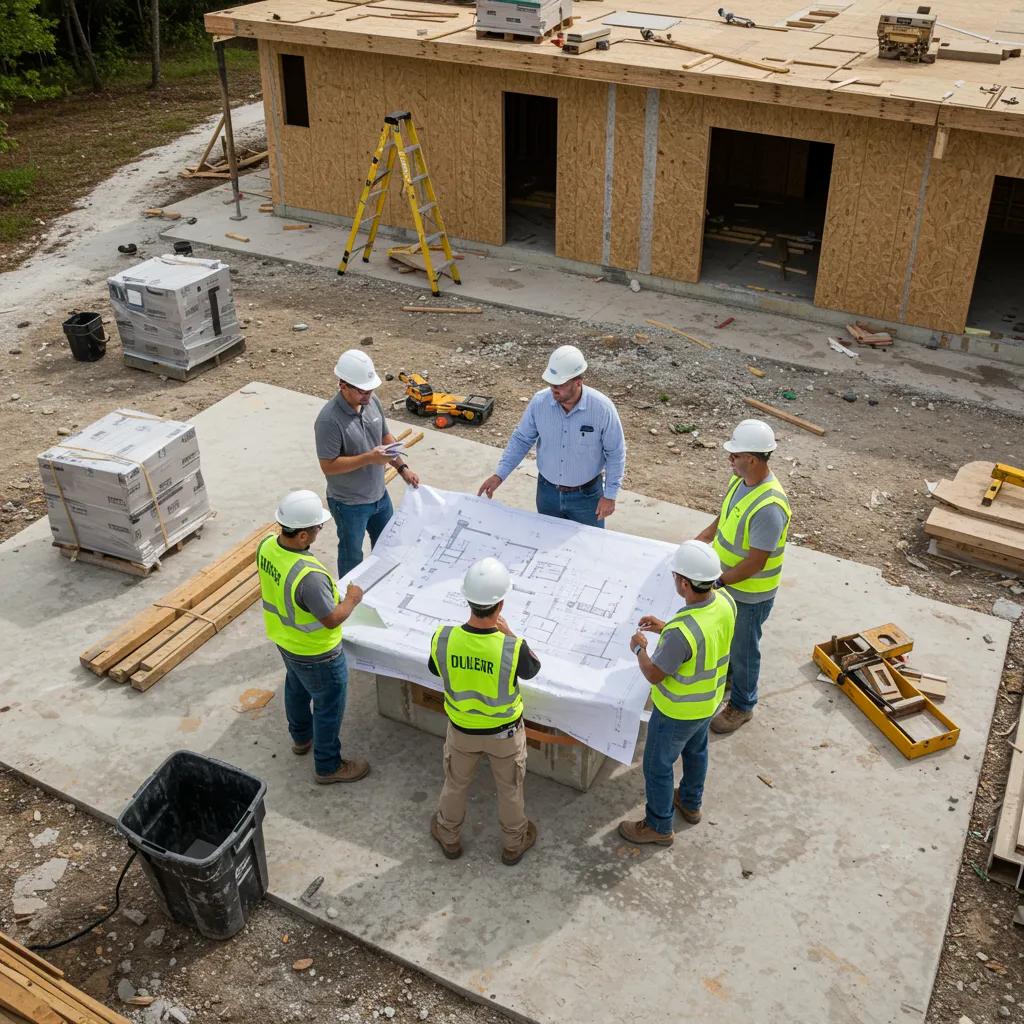
Custom home construction unfolds in five defined stages:
- Conceptual Design & Budgeting – Define vision, site study and preliminary cost estimates
- Architectural & Engineering Plans – Produce detailed blueprints, structural analysis and energy modeling
- Permitting & Approvals – Secure county building permits, environmental clearances and HOA sign-offs
- Foundation & Shell Construction – Excavate, pour foundation, erect framing, roofing and exterior envelope
- Interior Finishes & Systems – Install electrical, plumbing, HVAC, insulation, drywall, cabinetry and trim
Each stage closes with an inspection checkpoint to verify quality and regulatory compliance, paving the way to the next phase.
How Do Florida Building Permits and Zoning Regulations Affect Your Project?
Florida’s building code mandates wind-load calculations, hurricane-impact materials and flood-zone compliance. Zoning districts dictate setbacks, height limits and permitted uses. Early coordination with county planning offices and licensed surveyors ensures your design aligns with local ordinances, preventing costly redesigns.
Building Permits and Regulations
Florida’s building codes mandate specific requirements for wind-load calculations, hurricane-impact materials, and flood-zone compliance. Early coordination with local authorities is crucial to ensure designs meet all ordinances and prevent costly redesigns. Understanding these regulations is essential for a smooth construction process.
This source provides specific details on the building codes and regulations that custom home builders in Florida must adhere to, which is directly relevant to the article’s discussion of permits and zoning.
What Financing Options Are Available for Custom Homes in Florida?
- Construction-to-permanent loans that convert to a mortgage upon certificate of occupancy
- Stand-alone construction loans covering land purchase and build costs
- FHA and VA construction-to-permanent programs for qualified buyers
- Home equity lines of credit (HELOC) to fund design or landscaping
Comparing interest rates, draw schedules and conversion fees allows you to select the financing structure that matches your timeline and budget.
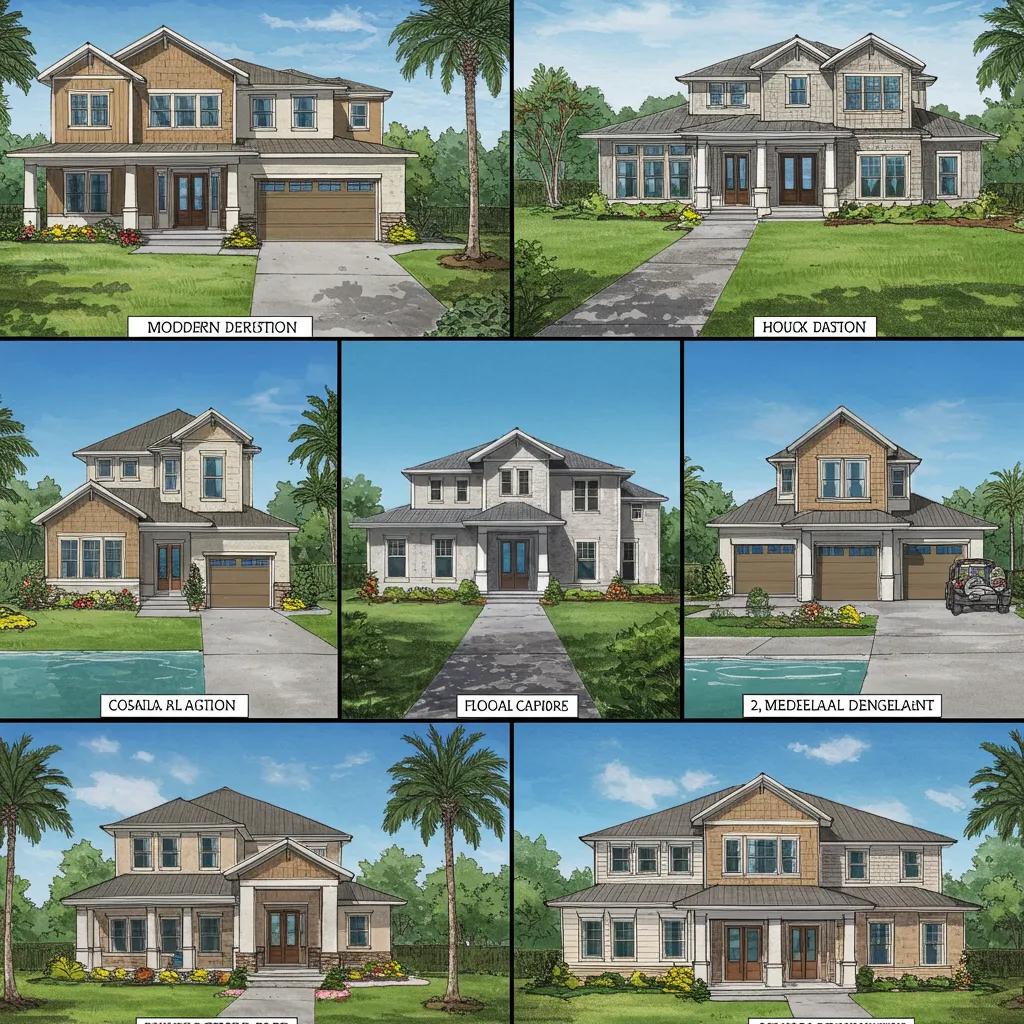
Which Custom Home Design Styles Are Popular in Florida?
Florida’s architectural scene blends modern minimalism with coastal, Mediterranean and eco-friendly aesthetics. Each style responds to the Sun-State’s climate, culture and lifestyle preferences while supporting energy efficiency and durability.
What Defines Modern Custom Homes in Florida?
- Open floor plans that merge indoor and outdoor living
- Floor-to-ceiling windows for natural light and cross-ventilation
- Clean lines, flat or low-slope roofs and minimal ornamentation
- Integration of smart home systems for lighting, security and climate control
This approach enhances spatial flow and promotes sustainable living through passive solar design.
How Do Coastal and Mediterranean Styles Influence Florida Custom Homes?
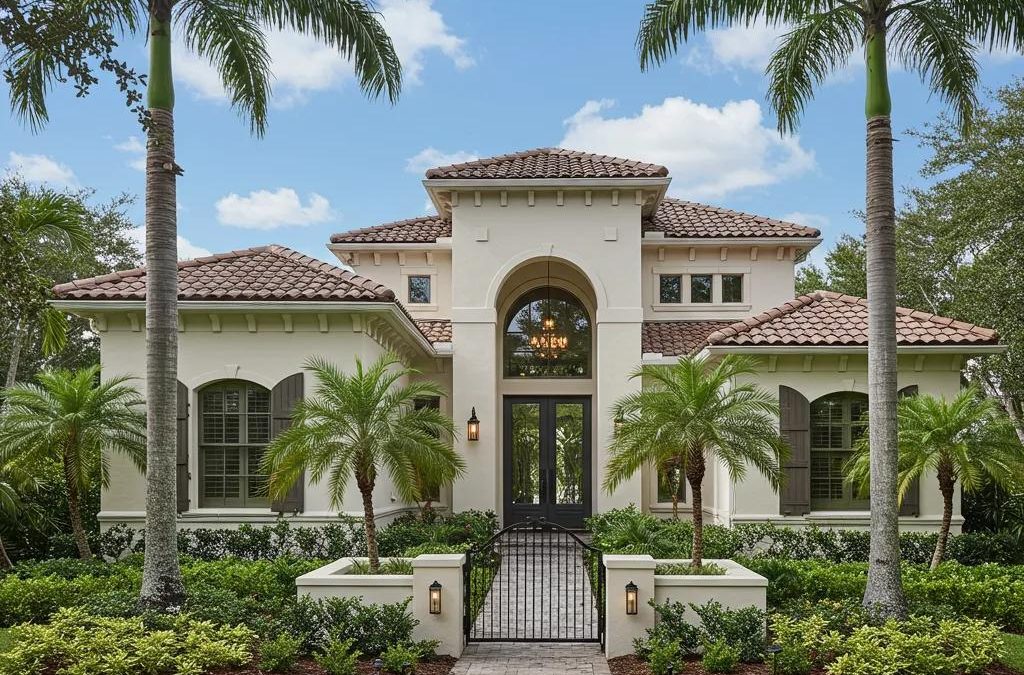
Coastal designs feature elevated foundations, wide overhangs and marine-grade materials to withstand salt air and hurricane winds. Mediterranean influences include stucco exteriors, clay tile roofs and arched openings, blending heritage craftsmanship with Florida’s outdoor culture. Combined, these styles deliver resilience and regional charm.
What Are the Benefits of Sustainable and Green Custom Homes in Florida?
Incorporating these features qualifies properties for green building certifications and tax incentives while enhancing indoor air quality.
How Is Smart Home Technology Integrated into Florida Custom Homes?
- Automated shading and thermostat adjustments based on weather
- Remote monitoring of flood sensors and hurricane shutters
- Voice-activated lighting scenes and security camera feeds
Smart Home Technology Integration
Smart home technology is increasingly integrated into custom homes, offering convenience, safety, and energy optimization. These systems can automate lighting, climate control, and security features, enhancing the overall living experience. The integration of these technologies is becoming a standard feature in modern custom homes.
This report highlights the growing trend of smart home technology, which supports the article’s discussion of how these systems are integrated into custom homes in Florida.
What Are the Unique Benefits of Building Custom Homes in Florida?
Florida’s warm climate, scenic landscapes and progressive building codes combine to offer advantages that generic production homes cannot match.
How Does Florida’s Climate Influence Custom Home Design and Construction?
A subtropical environment with high humidity and hurricane risk demands elevated foundations, corrosion-resistant materials and robust stormwater management. Designing for natural ventilation and strategic shading reduces cooling loads and improves occupant comfort year-round.
Why Is Personalization and Design Flexibility Important for Florida Homeowners?
Customization empowers homeowners to:
- Optimize floor plans for multigenerational living or home offices
- Specify outdoor living amenities like lanais, pools and screened porches
- Incorporate universal design features for aging-in-place
- Select finishes that reflect personal style and maximize resale value
How Do Local Builders Ensure Superior Craftsmanship and Quality Materials?
Florida custom builders leverage regional supply chains for marine-grade windows, hurricane-impact doors and locally sourced pavers. Rigorous on-site quality checkpoints, licensed trade partnerships and manufacturer warranties reinforce construction integrity and durability against coastal elements.
Where Are the Best Locations for Custom Built Homes in Florida?
Choosing the ideal locale balances lifestyle preferences, zoning regulations and long-term value appreciation across Florida’s diverse regions.
What Are the Top Florida Cities for Custom Home Building?
- Orlando: Year-round tourism and growing tech sector support residential investment.
- Tampa Bay: Coastal communities offer waterfront lots and vibrant cultural scenes.
- Miami-Dade: International flair, luxury condominiums and coastal estates dominate.
- Naples: High-end custom homes with golf course and gulf-front access.
- Jacksonville: Affordability meets riverfront and historic district opportunities.
How Do Local Zoning and Environmental Factors Vary Across Florida Regions?
Counties along the Atlantic and Gulf coasts impose stricter flood-zone building elevations, dune protection and mangrove preservation. Inland jurisdictions emphasize stormwater retention and minimum lot sizes. Recognizing these regional distinctions at the planning stage streamlines permit approvals and safeguards natural habitats.
What Are the Trends in Florida’s Housing Market Affecting Custom Home Demand?
Florida’s population growth—exceeding 300,000 new residents annually—drives demand for personalized residences. Remote-work migration and retiree influx boost interest in energy-efficient smart homes. Meanwhile, rising lot scarcity in urban cores fuels development of infill custom residences tailored to modern lifestyles.
Florida Custom Home Design & Construction Guide
Homebuyers often seek clarity on timelines, professional roles and side-by-side comparisons with spec homes before committing to a custom build.
How Long Does It Take to Build a Custom Home in Florida?
A typical custom home construction timeline spans 9 to 15 months from initial design to final inspection. Early design freezes and proactive permit coordination can shorten this by accelerating approvals and minimizing change orders.
Do You Need an Architect to Build a Custom Home in Florida?
Engaging a licensed architect is strongly recommended to produce code-compliant plans, optimize spatial layouts and navigate zoning variances. Architects collaborate with engineers and builders to ensure functional designs that comply with Florida’s stringent building requirements.
How Do Custom Homes Compare to Spec Homes in Florida?
Custom homes deliver individualized floor plans, material selections and performance features, whereas speculative homes offer pre-designed layouts for quick occupancy but limited personalization. Though spec homes often have shorter construction timelines, custom builds typically yield higher long-term value and lifestyle alignment.
How Can You Ensure a Successful Custom Home Project in Florida?
Transparent communication, strategic material selection and robust post-construction support form the foundation of a seamless custom build experience in Florida’s dynamic climate.
What Are the Best Practices for Transparent Communication with Florida Builders?
- Establish regular status updates via on-site walkthroughs or digital project dashboards
- Document change requests in writing with cost and schedule impact summaries
- Designate a single point of contact for subcontractor coordination and decision approvals
How Do You Select Materials Suitable for Florida’s Environment?
Choosing materials designed for high humidity, UV exposure and salt air extends your home’s lifespan. Prioritize:
- Galvanized or stainless steel fasteners and connectors
- Impact-rated fenestration with warm-edge spacers
- Closed-cell insulation and moisture-resistant drywall
What Warranty and Post-Construction Services Should You Expect?
- Structural Warranty – Coverage for load-bearing elements (typically 10 years)
- Workmanship Warranty – Protection against defects in labor and materials (1–2 years)
- System Warranty – Manufacturer guarantees on HVAC, roofing and mechanical systems
Comprehensive post-occupancy support ensures any minor adjustments are addressed promptly, safeguarding your investment and peace of mind.
Building a custom home in Florida combines creative freedom with climate-smart engineering to deliver a personalized sanctuary. By understanding cost drivers, following a clear process, selecting the right style and region, and maintaining open communication, you’ll transform your vision into a resilient, high-quality residence. With the guidance above, you can confidently partner with local professionals, optimize your budget and enjoy the long-term benefits of a truly custom Florida home.