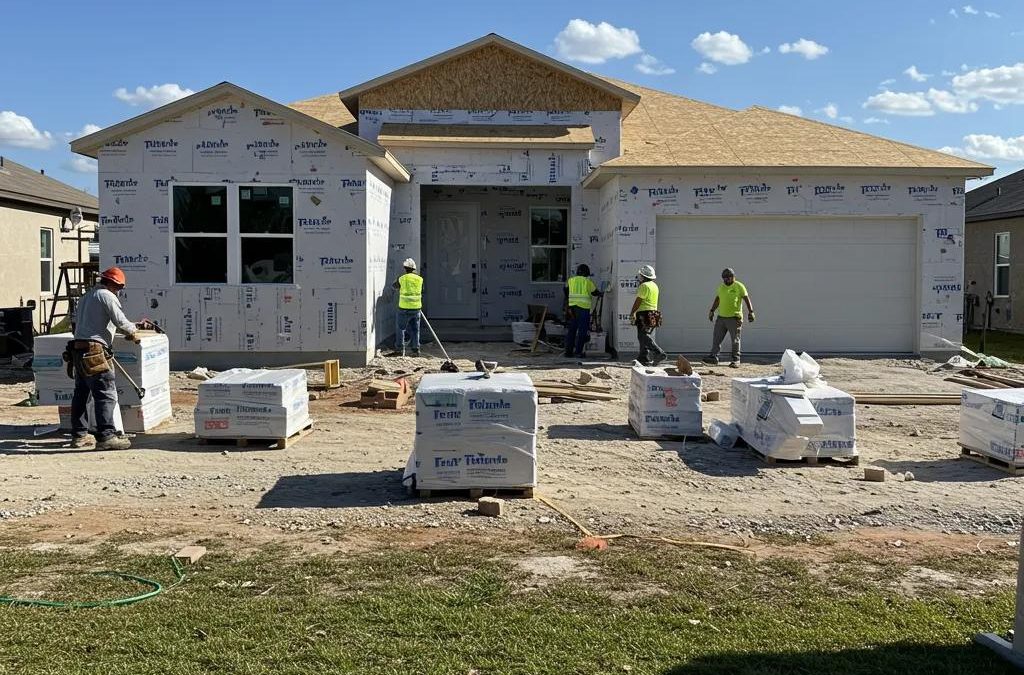
Home Builders in Florida: Your Guide to New Construction & Trends

Florida’s booming residential market demands clarity on choosing the right partner for new construction. Home builders in FL face unique challenges—from hurricane-resistant codes to energy-efficient designs—yet buyers often struggle to compare production, semi-custom, and full-custom options. This guide delivers immediate insights into each builder type, profiles the state’s leading construction firms, maps the step-by-step build process, analyzes market-trend impacts, outlines key selection criteria, explores green and smart-tech integration, and pinpoints top communities and financing solutions. By the end, you’ll understand how Florida’s housing dynamics shape your new-home journey and be equipped to make an informed choice.

What Types of Home Builders Are Available in Florida?

Home building in Florida segments into three primary categories—production, semi-custom, and full-custom—that define cost, design freedom, and timeline predictability. Each builder type leverages a standardized or flexible process to deliver new homes, balancing affordability, personalization, and quality. Understanding these distinctions reveals which approach aligns with your budget and lifestyle goals, and sets the stage for evaluating the state’s top construction companies.

Types of Home Builders

Home building in Florida is categorized into production, semi-custom, and full-custom, each offering different levels of cost, design flexibility, and timeline predictability to meet various buyer needs and preferences [3].

This source supports the different types of home builders available in Florida.

What Are Production Home Builders and Their Benefits?
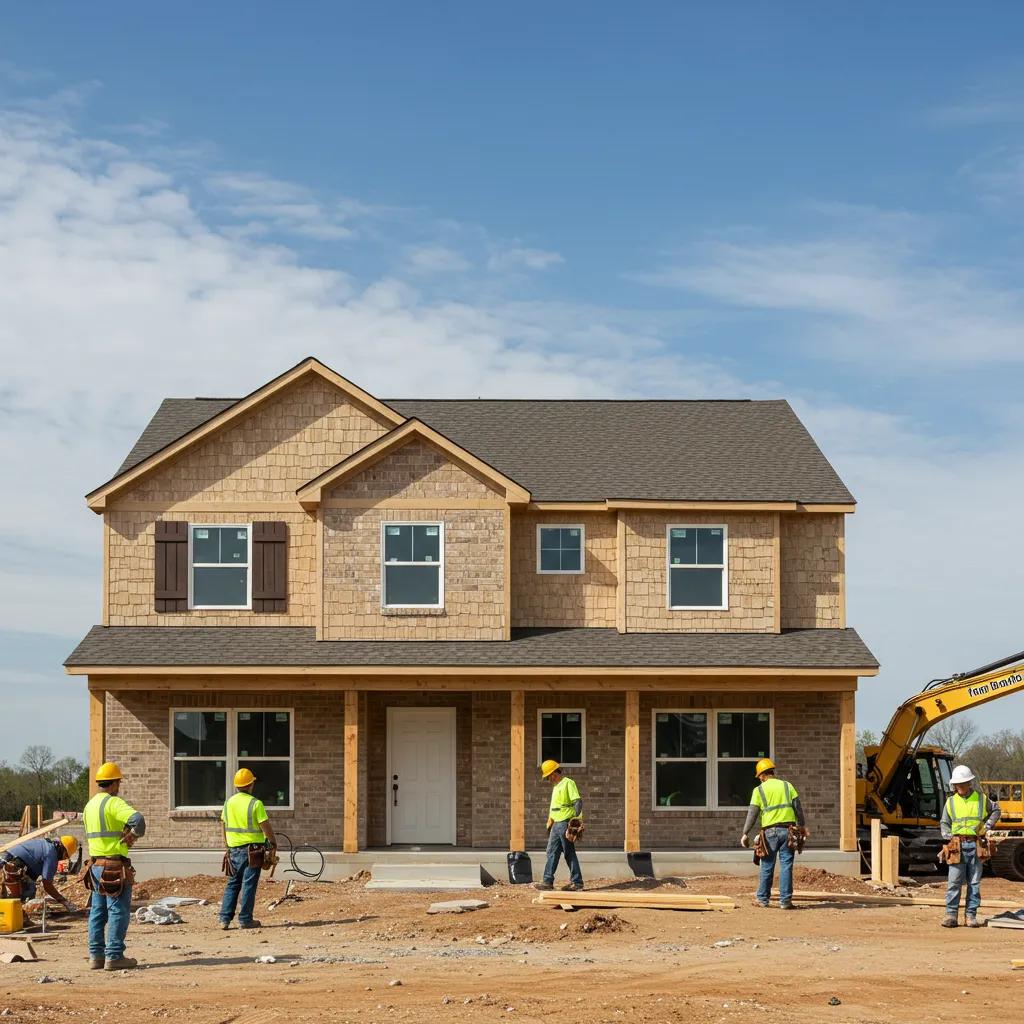
Production home builders operate on high-volume models, offering standardized floor plans and streamlined workflows that drive down costs and shorten build times. This approach uses proven construction sequences—site selection, plan replication, and bulk material procurement—to ensure consistent quality and predictable completion dates.

  • They deliver homes on developer-approved lots with pre-designed layouts ready for rapid release.
  • Standardized specifications reduce per-unit expenses and enable aggressive pricing.
  • Approved design packages simplify permitting and inspection, accelerating development schedules.

Production builders excel at affordability and timeline certainty, making them ideal for buyers prioritizing budget control and efficient delivery. Recognizing these efficiencies helps transition into semi-custom options for more design flexibility.

How Do Semi-Custom Builders Differ in Florida?

Semi-custom builders combine core templates with optional upgrades, enabling buyers to adjust floor plan elements, finishes, and layouts without starting from scratch. This modular process balances personalization against costs by integrating customizable modules into established workflows.

  • Base plans include selectable walls-out modules for kitchen, bath, and bedroom configurations.
  • Upgrade catalogs offer window styles, flooring grades, and energy-efficient HVAC packages.
  • Customer-designer consultations refine aesthetics within a structured build schedule.

By merging template efficiency with design choice, semi-custom builders deliver tailored homes faster than full-custom firms and at lower cost—paving the way toward fully bespoke luxury solutions.

What Defines Custom Home Builders and Luxury Options?
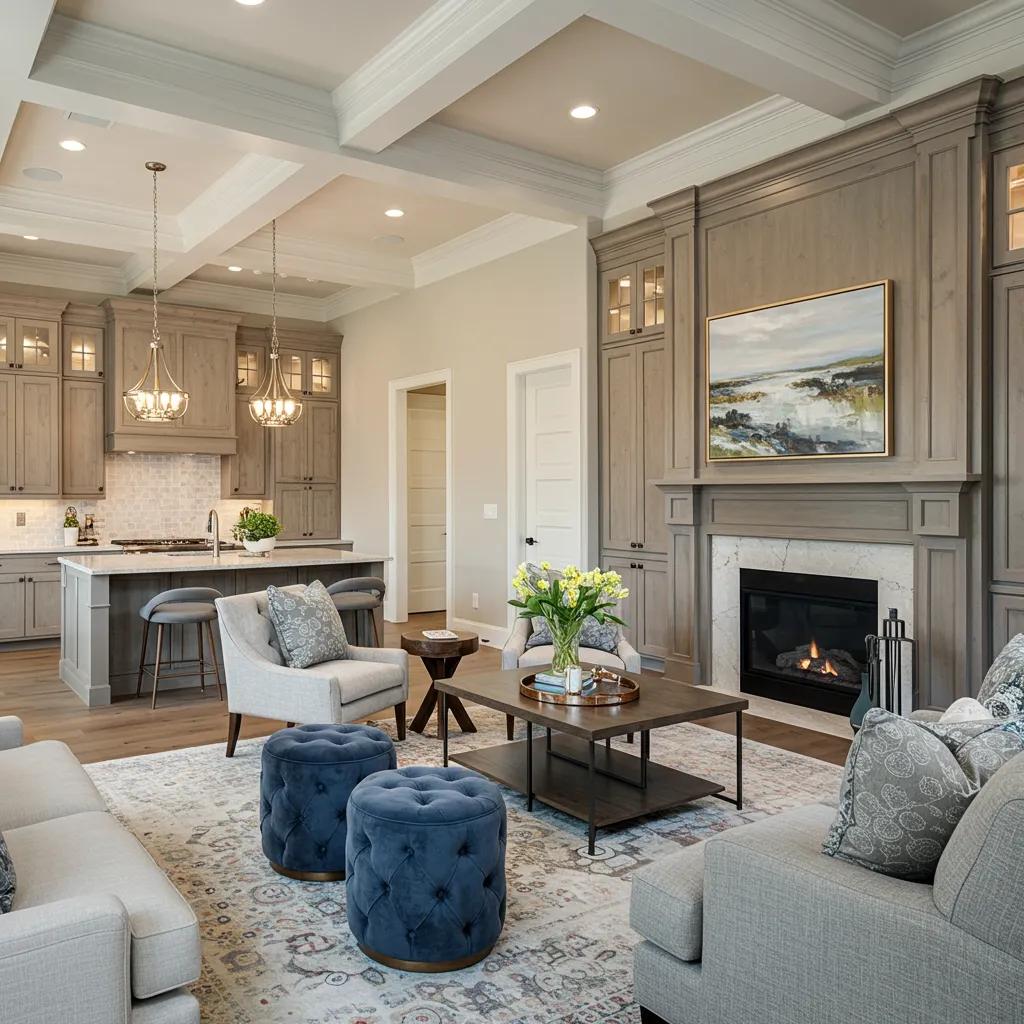
Custom home builders craft residences from the ground up, beginning with individualized architectural design and ending with premium finishes that reflect client vision. This level of service incorporates advanced engineering, high-end materials, and meticulous project management to achieve one-of-a-kind estates.

  • Clients engage architects and design teams to develop site-specific plans with unique footprints.
  • Structural systems—such as deep-pile foundations and reinforced hurricane-resistant framing—address Florida’s environmental demands.
  • Finish selections span imported stone, custom millwork, and integrated smart-home systems.

Full-custom builders deliver ultimate design freedom, allowing homeowners to influence every detail. Having explored these builder types, the next step is comparing the leading companies delivering these services across Florida.

Who Are the Top Home Builders in Florida and What Do They Offer?

Florida’s largest and most reputable builders distinguish themselves through scale, specialization, technological integration, and local expertise. Their offerings span production communities to luxury custom estates, each aligning specific value propositions with regional demand.

BuilderSpecializationValue Proposition
Lennar HomesProduction & Inclusive“Everything’s Included” standard features reduce upgrade costs
D.R. HortonHigh-Volume AffordableEconomies of scale deliver entry-level pricing
Pulte HomesSmart-Tech IntegrationConnected home systems and flexible design options
Toll BrothersLuxury & CustomPremium finishes and master-planned resort communities
ICI HomesFlorida Custom ExpertiseLocal codes mastery and award-winning architectural designs

Each builder leverages core strengths—whether bulk pricing, technological integration, luxury craftsmanship, or regional know-how—to serve distinct buyer segments. Evaluating these profiles primes buyers for the detailed construction process that follows.

What Is the Step-by-Step New Home Construction Process in Florida?

Building a new home in Florida unfolds across six key phases that blend planning precision with code-driven inspections. This structured approach mitigates risks and ensures adherence to storm-ready and energy standards.

  1. Design & Pre-Construction delivers site plan approval and permit acquisition through architect-builder collaboration.
  2. Site Preparation & Foundation stages handle clearing, excavation, and installation of slab or piling systems.
  3. Framing, Mechanical & Insulation erects structural skeletons, installs HVAC/electrical/plumbing, and applies energy-efficient insulation.
  4. Interior & Exterior Finishes outfits homes with cabinetry, flooring, roofing, and façade materials.
  5. Final Inspections & Walkthrough confirm code compliance, functionality, and quality benchmarks.
  6. Closing & Move-In completes financial settlements and transfers keys for occupancy.

This sequence clarifies expectations for timeline and oversight before we examine each phase in depth.

How Does the Design and Pre-Construction Phase Work?

Florida pre-construction begins with site evaluation and architectural schematics that satisfy local jurisdiction requirements. Builders coordinate soil tests, drainage plans, and permit filings to align designs with hurricane-resistance codes.

  • Detailed site surveys inform foundation type—slab-on-grade or deep-pile systems—for flood-zone compliance.
  • Permit packages include engineered plans and energy-efficiency calculations to secure approvals.
  • Builder-architect collaboration refines floor plans for optimal daylighting and hurricane load ratings.

Establishing a robust pre-construction framework sets the foundation for efficient excavation and foundation installation.

What Are the Key Steps in Site Preparation and Foundation?

Site preparation transforms raw parcels into build-ready lots by clearing vegetation, grading terrain, and installing erosion controls. Foundation work then establishes the structural base using Florida-specific methods.

  • Excavation removes topsoil and creates level pads with engineered fill for uniform load distribution.
  • Concrete slabs integrate vapor barriers and rebar reinforcement for structural integrity.
  • Piling systems drive steel or concrete pilings to bedrock in high flood-risk zones to prevent uplift.

Solid foundation practices underlie hurricane-resistant design, leading naturally into framing and systems installation.

How Are Framing, Mechanical, and Insulation Completed?

Framing crews assemble wood or steel structural members according to engineered layouts, then mechanical trades install core systems before energy-efficient insulation seals the envelope.

  • Wall studs, roof trusses, and bracing components meet wind-load specifications for coastal exposure.
  • HVAC, plumbing, and electrical rough-ins occur before drywall, ensuring concealed work aligns with code.
  • Closed-cell spray foam or blown-in fiberglass fulfills Florida’s high-performance insulation requirements.

Coordinating these trades within the structural timeline accelerates the project toward finishing stages.

What Happens During Interior and Exterior Finishes?

Finish carpenters, painters, and roofers transform the shell into a polished residence. Custom trim, impact-rated windows, and weather-resistant siding deliver both aesthetics and resilience.

  • Cabinetry, countertops, tile, and hardwood flooring embody design selections made during pre-construction.
  • Exterior choices include masonry veneers, fiber-cement siding, or stucco systems with moisture barriers.
  • Final painting, hardware installation, and landscaping complete the visual and functional appeal.

Finishes merge client vision with code-driven performance, culminating in final inspections that clear the way for occupancy.

How Long Does It Typically Take to Build a Home in Florida?

Typically, new residential construction in Florida spans 8–10 months from groundbreaking to move-in. Timeline variations reflect builder type, design complexity, permit lead times, and community requirements. Recognizing this schedule helps buyers plan financing, interim housing, and project oversight.

How Do Florida Housing Market Trends Affect New Home Construction?

Florida’s housing market dynamics—pricing shifts, inventory levels, and financing costs—directly influence builder activity and buyer incentives. Understanding these trends clarifies timing and negotiation leverage.

  • Median home prices hover around $404,300, with inventory up 7.5%, prompting builders to release incentives.
  • Mortgage rates above 6% elevate monthly payments, leading builders to offer rate buy-downs or closing-cost credits.
  • Central Florida and Tampa Bay continue to attract new-home developments as population growth drives demand.

Analyzing regional variations and financing impacts illuminates optimal entry points for prospective buyers.

What Are the Current Median Home Prices and Inventory Levels?

Florida’s median sales price sits near $404,300, reflecting a 1.3% year-over-year decline, while active listings have grown by 7.5%. This balanced supply stabilizes pricing and encourages builders to maintain community releases at competitive rates. These market signals underpin the financial backdrop for selecting a builder and timing your purchase.

How Do Interest Rates and Financing Impact Homebuyers?

Rising interest rates increase borrowing costs and influence purchasing power, prompting many builders to extend mortgage incentives. Rate buy-downs, lender credits, and flexible construction-to-permanent loan packages help mitigate higher yields, enabling buyers to lock in lower payments and secure financing terms that align with budgetary goals.

Which Florida Regions Are Seeing the Most New Construction?

Orlando, Tampa, and Southwest Florida lead new-construction activity due to strong population inflows and job growth. Central Florida’s master-planned communities, Tampa Bay’s coastal suburbs, and Naples’s luxury enclaves attract diverse buyer segments, making these hotspots prime locations for both production and custom home projects.

What Should You Consider When Choosing a Home Builder in Florida?

Selecting a Florida home builder requires evaluating reputation, process transparency, warranty offerings, and customer service standards. Prioritizing these criteria ensures a smooth build experience and lasting value.

What Questions Should You Ask a Florida Home Builder?

Before signing a contract, inquire about licensing, insurance coverage, previous project portfolios, and warranty terms. Asking for sample floor-plan specifications, change-order procedures, and project-timeline benchmarks clarifies builder accountability and sets expectations for quality and delivery.

How Important Are Builder Reviews and Customer Testimonials?

Customer feedback and third-party ratings validate a builder’s reliability, craftsmanship, and post-sale support. Positive testimonials on build-quality, on-budget delivery, and responsiveness reflect trust and performance records, guiding buyers toward reputable partners with proven track records.

What Warranty and Customer Service Options Are Available?

Most Florida builders offer a one-year workmanship warranty, a two-year mechanical warranty, and a ten-year structural warranty. These programs protect against defects, system failures, and structural issues, ensuring buyers maintain confidence in their investment long after closing.

How Are Energy Efficiency and Smart Home Features Integrated by Florida Builders?

Green building practices and smart-home technologies deliver cost savings, resilience, and modern convenience in Florida’s climate. Builders combine sustainable materials with connected systems to optimize performance and user experience.

What Green Building Practices Are Common in Florida New Homes?

Florida builders frequently employ hurricane-rated windows, reflective roofing membranes, and high-R-value insulation to minimize energy use and enhance storm resilience. Solar-ready roof designs and water-conserving fixtures further reduce long-term utility expenses and environmental impact.

How Do Smart Home Technologies Enhance Florida Residences?

Integrated smart thermostats, lighting controls, and security systems promote comfort, energy management, and remote monitoring. Automated irrigation, leak detection sensors, and voice-activated assistants streamline homeownership and strengthen safety, reflecting the state’s trend toward tech-savvy living.

Where Can You Find New Home Communities and Floor Plans in Florida?

Florida’s diverse regions feature master-planned developments, golf-course enclaves, and waterfront neighborhoods—each offering distinct amenities and architectural styles. Identifying the right community and floor plan aligns lifestyle preferences with investment goals.

What Are Popular Florida Communities for New Construction Homes?

Communities like Lake Nona in Orlando, FishHawk Ranch in Tampa Bay, and Dockside in Naples deliver resort-style amenities, walking trails, and clubhouses. These developments blend recreational offerings with quality craftsmanship, catering to families, retirees, and active lifestyles alike.

How Do Floor Plan Types and Architectural Styles Vary Across Florida?

StyleCharacteristicRegion
MediterraneanStucco facades, red-tile roofsSouthwest Florida
Modern FarmhouseClean lines, board-and-batten sidingCentral & East FL
Coastal CottageRaised porches, hurricane shuttersAtlantic Coast
ContemporaryOpen-plan layouts, floor-to-ceiling glassUrban Central FL

These distinct designs reflect climate adaptation and cultural influences, guiding buyers toward layouts that suit regional aesthetics and functional needs.

What Financing Options Are Available for New Homes in Florida?

Construction-to-permanent loans, USDA and FHA programs, and builder-provided incentives streamline funding for new builds. Buyers can leverage low-down-payment options or fixed-rate commitments during construction, ensuring financing aligns with project timelines and budget parameters.

Florida’s thriving new-home sector offers production, semi-custom, and full-custom solutions across leading builders, each supported by structured processes, market insights, and performance warranties. By understanding builder types, evaluating top firms, mapping construction phases, and aligning market trends with financing, you gain the confidence to select the ideal partner for your dream home. Whether you prioritize cost, customization, or cutting-edge technology, Florida’s home builders deliver tailored pathways from blueprints to moving-in day. Rely on this guide to navigate each decision point and achieve a seamless new-construction experience in the Sunshine State.