Florida New Home Builders Guide: Find, Finance & Build Your Dream Home
Florida’s booming residential market features production and custom builders competing on quality, design, and regional expertise. This guide delivers actionable insights on top builders, master-planned communities, step-by-step construction, cost factors, financing solutions, essential buyer questions, home-type selection, and rigorous quality assurance practices. You will learn how to compare major brands, evaluate community amenities, navigate permits, secure financing, and ensure lasting workmanship for your new Florida home.
What Are the Top New Home Builders in Florida and What Sets Them Apart?
Major new home builders in Florida differentiate through scale, standard features, and tailored design options that meet diverse buyer needs. Understanding their specialties and reputations helps home seekers align priorities with a builder’s core value proposition.
Who Are the Leading Florida Home Builders Like Lennar, D.R. Horton, and Pulte Homes?
Lennar, D.R. Horton, and Pulte Homes dominate Florida’s permit counts by offering turnkey packages, budget-friendly entry levels, and energy-efficient designs respectively.
Top Home Builders in Florida
Lennar, D.R. Horton, and Pulte Homes are among the leading home builders in Florida, each with distinct value propositions. Lennar is known for its “Everything’s Included” approach, D.R. Horton for affordable variety, and Pulte Homes for customization and sustainability features.
This information supports the article’s claims about the leading builders and their specializations.
These profiles set the stage for evaluating unique builder offerings and customer satisfaction, which in turn shapes community comparisons.
What Unique Features and Value Propositions Do Florida Builders Offer?
Florida builders embed energy-efficient appliances, smart-home technology, hurricane-resistant construction, and design-center customization into standard packages. These UVPs foster cost savings, safety, and personalized living spaces that complement regional climate and lifestyle demands.
Such distinctive offerings feed directly into homeowner reviews and regional reputation patterns explored next.
How Do Builder Reviews and Customer Experiences Compare Across Florida?
Homeowner feedback highlights on-time delivery, warranty responsiveness, and craftsmanship consistency as critical reputation drivers. Positive ratings often cite clear communication during construction phases, while lower scores reflect delayed inspections or finish-work touch-ups.
Tracking satisfaction scores across platforms reveals patterns that inform community selection and financing expectations in specific regions.
Which Florida Regions Have the Most Active New Home Builders?
Central Florida (Orlando, Polk County), Southwest Florida (Lee County, Charlotte County), and South Florida (Miami-Dade, Broward) register the highest permit volumes. Northern regions like Jacksonville and the Treasure Coast also show strong production-builder presence, while the Gulf Coast around Sarasota attracts luxury and custom-build specialists.
These regional concentrations influence community amenities and price dynamics, leading into our next discussion of master-planned neighborhoods.
How Do Florida New Home Communities Enhance Your Living Experience?
Florida’s master-planned and gated communities combine recreational amenities, walkable layouts, and thematic landscaping to cultivate distinct lifestyles. Evaluating top neighborhoods in key metros reveals trends in amenity offerings and home values.
What Are the Best New Home Communities in Orlando, Tampa, Jacksonville, and Sarasota?
In Orlando, Lake Nona delivers innovation-focused amenities; Tampa’s FishHawk Ranch centers on family-oriented parks; Jacksonville’s Nocatee integrates town centers and trails; Sarasota’s Lakewood Ranch features golf, equestrian, and wellness hubs.
These flagship developments illustrate how designers craft resident experiences, which we break down next.
What Amenities and Features Are Common in Florida’s Master-Planned and Gated Communities?
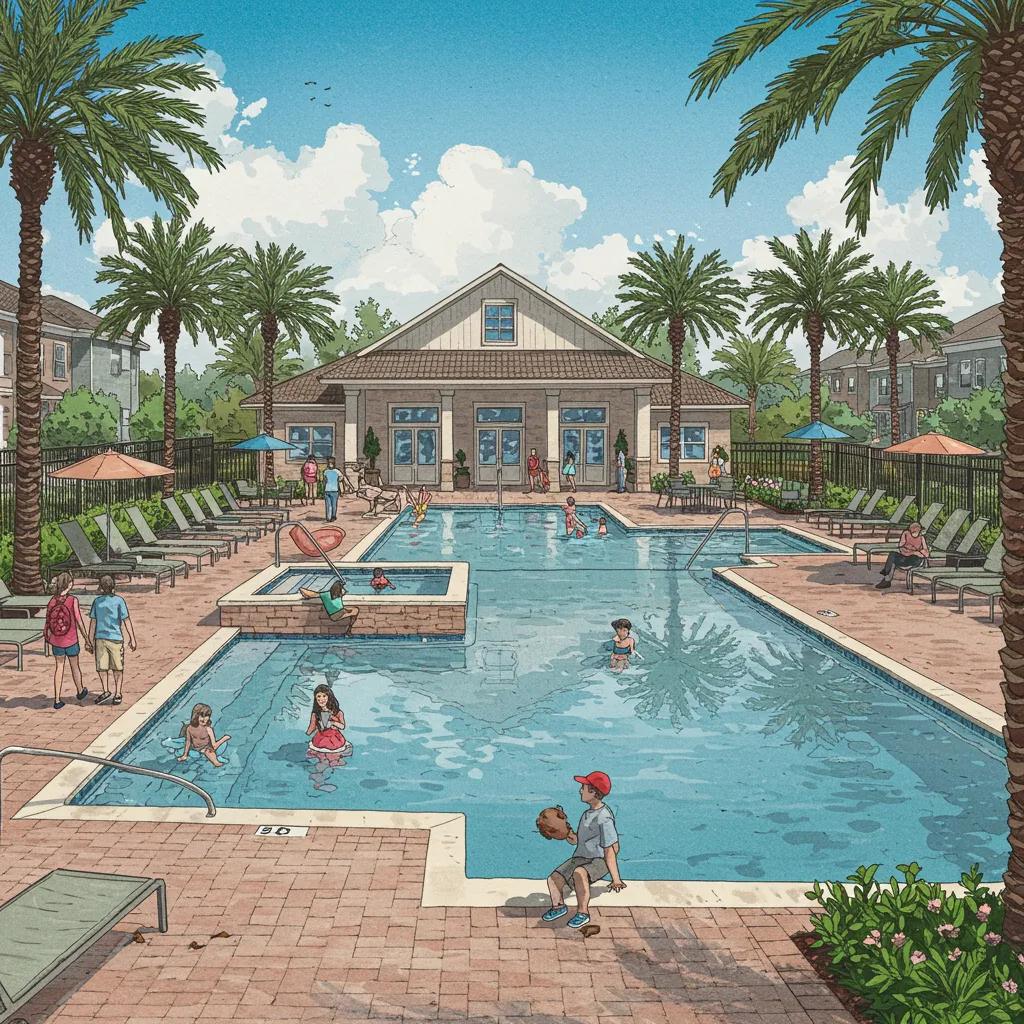
- Clubhouses with resort-style pools and fitness centers
- Multi-use trails connecting parks, playgrounds, and schools
- Security gates and low-maintenance landscaping
- Community gardens, dog parks, and event lawns
Community amenity patterns reflect lifestyle priorities and value retention as described below.
How Do Community Locations Impact Home Value and Lifestyle in Florida?
Proximity to employment centers, top-rated schools, and healthcare facilities can boost resale value by 5–10%. Coastal communities command premium pricing due to waterfront access, while inland master-plans leverage lower land costs to offer larger lots and upgraded finishes. These locational dynamics set realistic price expectations for the building process ahead.
Impact of Community Location on Home Value
Proximity to employment centers, top-rated schools, and healthcare facilities can significantly boost a home’s resale value. Coastal communities often command premium pricing due to waterfront access, while inland master-planned communities may offer larger lots and upgraded finishes at a lower cost.
This citation provides supporting evidence for the article’s discussion on how community location impacts home value and lifestyle.
What Is the Step-by-Step Process for Building a New Home in Florida?
Building a new home in Florida proceeds through site acquisition, design finalization, permitting, construction, inspections, and closing. Each phase demands coordinated inputs from buyers, builders, and local regulators to deliver on schedule.
This workflow outlines core timing expectations, while the next sections dive deeper into required approvals, timelines, customization, and warranty support.
What Permits and Regulations Are Required to Build a Home in Florida?
Florida’s statewide building code mandates permits for structural, mechanical, electrical, and plumbing work. Local county departments often require hurricane-load calculations, soil-bearing reports, and flood-zone certificates. Secure approvals early to avoid project delays and inspection backlogs.
These regulatory milestones influence overall construction timelines and design choices detailed next.
How Long Does New Home Construction Typically Take in Florida?
A standard production home reaches completion in 6–9 months, depending on lot readiness, design complexity, and inspection scheduling. Custom builds may extend to 12–18 months when architecture and high-end finishes require additional approvals and specialized trades.
Understanding these benchmarks supports realistic planning and financing decisions covered later.
What Are the Key Design and Customization Options Available?
- Pre-designed floor plans with package options
- Design-center upgrades for cabinetry, countertops, and fixtures
- Structural modifications such as added rooms or extended garages
- Smart-home integrations including automated lighting and security
These customization paths shape budget allocations and contract terms discussed in the following section on warranties and after-sales support.
How Do Builders Handle Warranties and After-Sales Support in Florida?
Most reputable builders deliver:
- 1-year workmanship warranty covering finishes
- 2-year mechanical warranty for systems and appliances
- 10-year structural warranty for load-bearing elements
Dedicated service portals and regional field representatives streamline repair requests, reinforcing confidence in long-term quality.
How Much Does It Cost to Build a New Home in Florida and What Financing Options Are Available?
Average build costs in Florida range from $120 to $200 per square foot, influenced by land price, lot preparation, and finish level. Buyers often leverage construction-to-permanent loans and builder incentives to manage cash flow and reduce interest exposure during framing.
Construction Costs and Financing Options
Average build costs in Florida range from $120 to $200 per square foot, influenced by land price, lot preparation, and finish level. Common financing options include construction-to-permanent loans, VA builder loans, and FHA construction loans, which help manage cash flow during construction.
This citation supports the article’s claims about the costs associated with building a new home in Florida and the financing options available to buyers.
What Are the Average Costs and Factors Influencing New Home Prices in Florida?
Material supply fluctuations, labor availability, and land scarcity drive price variance by region. Coastal lots command premiums, while inland master-planned lots offer cost efficiencies that offset transportation and utility extension fees.
Building cost transparency helps align budgets with mortgage underwriting requirements.
What Mortgage and Loan Options Exist for Florida New Home Buyers?
Common financing vehicles include:
- Construction-to-Permanent Loans: One closing, fixed rate conversion
- VA Builder Loans: Zero-down options for eligible veterans
- FHA Construction Loans: Low-down programs with federally insured rates
- Builder Incentives: Temporary rate buydowns, closing cost credits
How Do Rising Interest Rates Affect Affordability and Financing?
Higher benchmark rates increase monthly payments by 10–20% on comparable loan amounts, which can reduce buyer purchasing power.
Builders often offer rate-buys or discount points to mitigate these impacts, preserving affordability and sales momentum in a changing economic environment.
What Are the Most Important Questions to Ask Your Florida New Home Builder?
Engaging the builder with targeted questions ensures clarity on process, costs, and protections. Thorough inquiry sets realistic expectations and helps avoid disputes.
Examples of critical questions include:
- What deposit structure and refund policies apply?
- Which standard features are included versus upgrade costs?
- Who manages permits and inspection scheduling?
- How are contract change orders processed?
- What is the scope and duration of each warranty tier?
These strategic queries lead naturally into deeper contract and support considerations.
Which Contract Terms and Deposit Policies Should You Understand?
Contracts typically stipulate deposit tranches tied to permit approval, slab, framing, and final inspection. Clarify refundable amounts, holdbacks, and lien waiver requirements to protect your interests and maintain transparency.
This foundation primes the review of builder reputation and warranty support.
How Can You Verify Builder Reputation and Warranty Support?
Check state licensing board records for complaints, review online service portals for average response times, and ask for recent homeowner references. Confirm documented repair turnaround and workmanship follow-up procedures before signing.
Understanding accountability protocols prepares you to negotiate upgrades, timeline commitments, and land ownership arrangements.
What Should You Know About Upgrades, Timeline, and Land Ownership?
Document allowable customization windows, milestone-based schedule penalties, and land-use covenants that may affect future modifications. Knowing these parameters ensures you align your vision with local zoning and builder capabilities.
How Can You Choose the Best Type of New Home in Florida for Your Needs?
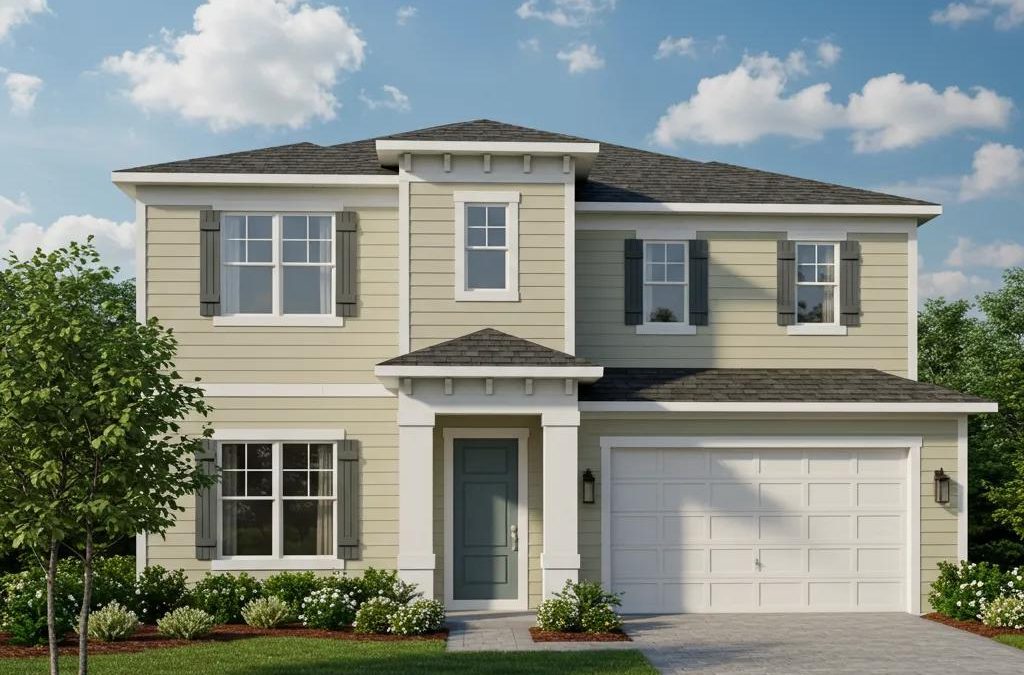
Selecting between single-family homes, townhomes, and condos involves balancing space requirements, maintenance responsibilities, and community amenities. Matching home type to lifestyle goals optimizes long-term satisfaction and resale value.
These profiles guide buyers toward market segments discussed in the next two subsections.
What Are the Differences Between Single-Family Homes, Townhomes, and Condominiums?
Single-family homes offer standalone yards and design flexibility but require higher maintenance.
Townhomes balance private living with shared-exterior care by HOAs.
Condominiums minimize upkeep and often include robust amenity packages but limit customization.
Deciding among these categories hinges on desired space, budget, and lifestyle priorities.
What Defines Luxury New Homes and Quick Move-In Options in Florida?
Luxury builds feature elevated finishes, custom floor plans, and extensive site preparation, often exceeding $300 per square foot.
Quick move-in homes come from inventory ready for rapid closing, leveraging standardized designs to compress permitting and build timelines.
These distinct market tiers help buyers match urgency and upgrade aspirations with the right offer.
How Does Energy Efficiency Influence New Home Choices in Florida?
Energy-star appliances, high-R-value insulation, LED lighting, and solar-ready roofing can reduce utility bills by 20–30%. Builders that integrate these features at base price support long-term cost savings and environmental stewardship, adding value for resale.
Energy performance often aligns with community green standards and incentives, which we explore in quality assurance protocols.
How Are Florida’s New Home Builders Addressing Quality Assurance and Warranty Issues?
To overcome historical quality concerns, leading builders implement multi-phase inspections, third-party reviews, and digital punch-list management to catch and correct defects before closing. Comprehensive warranty portals and scheduled maintenance visits reinforce accountability and trust.
What Common Construction Issues Should Buyers Be Aware Of?
Typical challenges include drywall cracks from settling, minor plumbing leaks at fixture connections, and caulking separation in exterior trim. Early inspection punch lists and builder-coordinated service visits minimize impact on home enjoyment.
How Do Builders Resolve Warranty Claims and Support Homeowners?
Most builders employ online service portals where homeowners submit pictures and descriptions of issues. Regional field service managers schedule repairs within predefined response windows, often under 30 days for structural items and 10 days for cosmetic fixes.
What Steps Are Taken to Ensure Superior Construction Quality?
Rigorous subcontractor vetting, material-source audits, pre-drywall inspections, and final walk-throughs with digital documentation ensure defects are identified and corrected early. Employing standardized quality checklists across all job sites yields consistent workmanship and reduces warranty claims over time.
Building your new Florida home demands informed decisions at every turn—from selecting a builder and community to managing costs, contracts, and quality assurances. Armed with this comprehensive guide, you can confidently navigate permits, financing, design options, and post-occupancy support to secure a home that aligns with your lifestyle, budget, and long-term value goals. Explore builder profiles, compare community amenities, and ask targeted questions to turn your dream home into a reality in the Sunshine State.